
Ham Lake, MN · Garage Door Service
Why Ham Lake Garage Doors Need Different Care Than You'd Guess
Ham Lake homes built mostly 1960-2003 face severe cold winters that strain weather seals and drafts around garage door edges - here's what to check first.
- Repairs & new doors
- Springs & openers
- Serving 7 nearby communities
How Local Conditions Play In
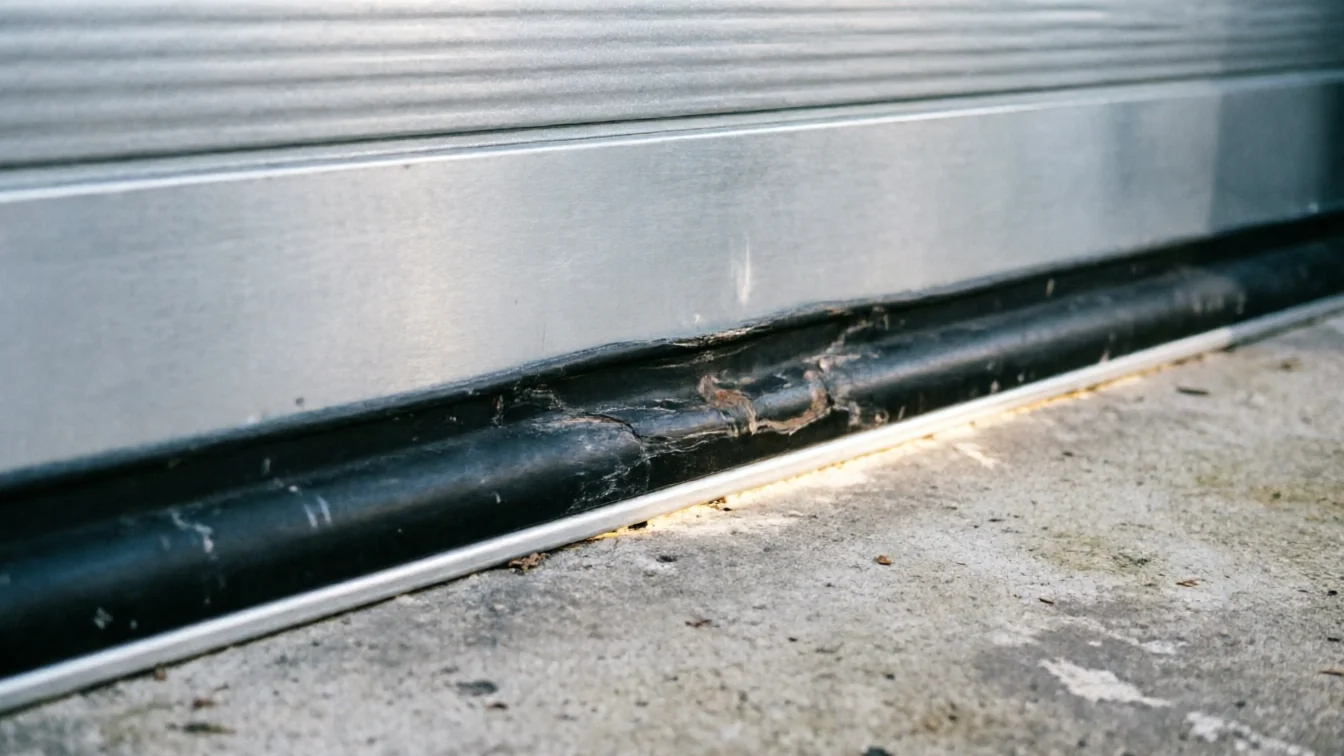
Most of the housing stock around here went up between 1960 and 2003, with the median build year sitting at 1984. That matters because the garage doors on those houses were installed with whatever weatherstripping was standard for a builder-grade job in the 80s and 90s - thin vinyl bottom seals and side seals that were never rated for decades of severe cold cycling.
Ham Lake sits in a climate band the federal data marks as severe cold, which means the rubber in those original seals has gone through thirty-plus winters of freeze-thaw contraction. Vinyl that cold-hardens loses its memory. It stops springing back to fill the gap after the door closes, and that's when you start feeling drafts along the bottom edge or seeing daylight at the corners.
This isn't a one-time problem you fix and forget. In a climate this cold, seal material that would last fifteen years somewhere milder gets maybe eight to ten here before it cracks or shrinks away from the track. If your house falls in that 1960-2003 build window - and most on this side of town do - the seals are very likely original or a single cheap replacement, not something built for the cold band we're actually in.
When It Stops Being a DIY Job
Swapping a bottom seal yourself is reasonable work - pull the old retainer, run in new U-channel stock, done in an afternoon. That's not where this gets complicated.
Where it stops being a DIY job is when the draft isn't coming from the seal at all but from the panel seams or a track that's pulled slightly out of plumb from decades of frost heave under the slab. Houses built in that 1960-2003 window around here often sit on foundations that have shifted a little over forty-plus winters of ground freeze, and a door that looks straight can still be a quarter-inch out at the header. New weatherstripping on a frame that's out of square just buys you a few months before the gap reopens.
Here's the honest limit: if the jamb itself is warped or the slab has dropped at one corner, a seal kit won't hold. That's a structural fix, not a parts swap, and it's worth knowing the difference before you spend an afternoon on a repair that was never going to stick.
The Situation
The service area here covers 75,618 households, with 45,198 of those owner-occupied houses - the kind of housing stock where a garage door isn't an afterthought, it's the biggest moving part on the house. Median household income across the area runs $100,011, which tends to mean owners who replace a worn-out seal system properly rather than patching it with foam tape every other winter.
We're not an isolated pocket, either. Columbus sits 4 miles off, Circle Pines about 8, Centerville and Oak Grove both around 9 - all built out in roughly the same era, all dealing with the same severe cold band and the same aging weatherstripping problem. If you've talked to a neighbor in Circle Pines or Oak Grove about drafts under their door, you're probably hearing about the exact same builder-grade seal that's now thirty-plus years old.
That consistency across the area is actually useful: it means the fix that works on one 1980s-built door tends to work on the next one too, because the housing stock and the climate exposure are so similar from one of these towns to the next.
What to Look At First
Start at the bottom seal. If your house was built anywhere near that 1984 median, check whether the vinyl has gone stiff and cracked at the corners - flex it with your thumb. If it doesn't spring back, it's done.
Next, run your hand along the side jambs with the door closed on a cold morning. A steady draft along one side and not the other usually means the track has shifted, not just worn seal material.
Third, look at the panel seams themselves, especially on doors installed before the mid-90s. Older steel panels used a thinner interlocking seam that can open up slightly as the steel contracts in severe cold, letting air through even with good weatherstripping on the perimeter.
Last, check the header seal above the top panel - it's the one owners forget, and on a house from this build era it's often the original piece, never replaced, because it's harder to see than the bottom seal. If all four of those check out and you're still feeling cold air, the problem is probably the frame, not the door.
Frequently asked questions
Why does my garage door let in cold air even with new weatherstripping?
If the seal is new but you still feel drafts, check whether the track or jamb has shifted - common in houses built between 1960 and 2003 after decades of frost heave. A seal can't compensate for a frame that's out of square. You'd want the frame checked before buying another seal kit.
How often should weather seals be replaced in this climate?
In a severe cold band like this one, vinyl bottom seals typically hold up eight to ten years before they crack or lose shape, compared to longer in milder climates. If your house is from the 1980s build era common here and the seal has never been replaced, it's almost certainly past due.
Is foam tape a real fix for a drafty garage door?
It's a stopgap, not a fix. Foam tape can bridge a small gap for a season, but on houses from this area's typical 1960-2003 build era, the underlying seal or seam has usually degraded enough that tape just delays a proper seal or panel repair.
Related garage door services in Ham Lake
More garage door guides
Book garage door service in Ham Lake
Call now or request a quote - tell us what the door is doing and where you are.