
Ham Lake, MN · Garage Door Service
Is Your Older Ham Lake Garage Door Worth Fixing, or Done
Most Ham Lake homes date from 1960-2003, with a median build year of 1984. Here's how that age and this area's cold climate decide if a repair still makes sense.
- Repairs & new doors
- Springs & openers
- Serving 7 nearby communities
How Local Conditions Play In
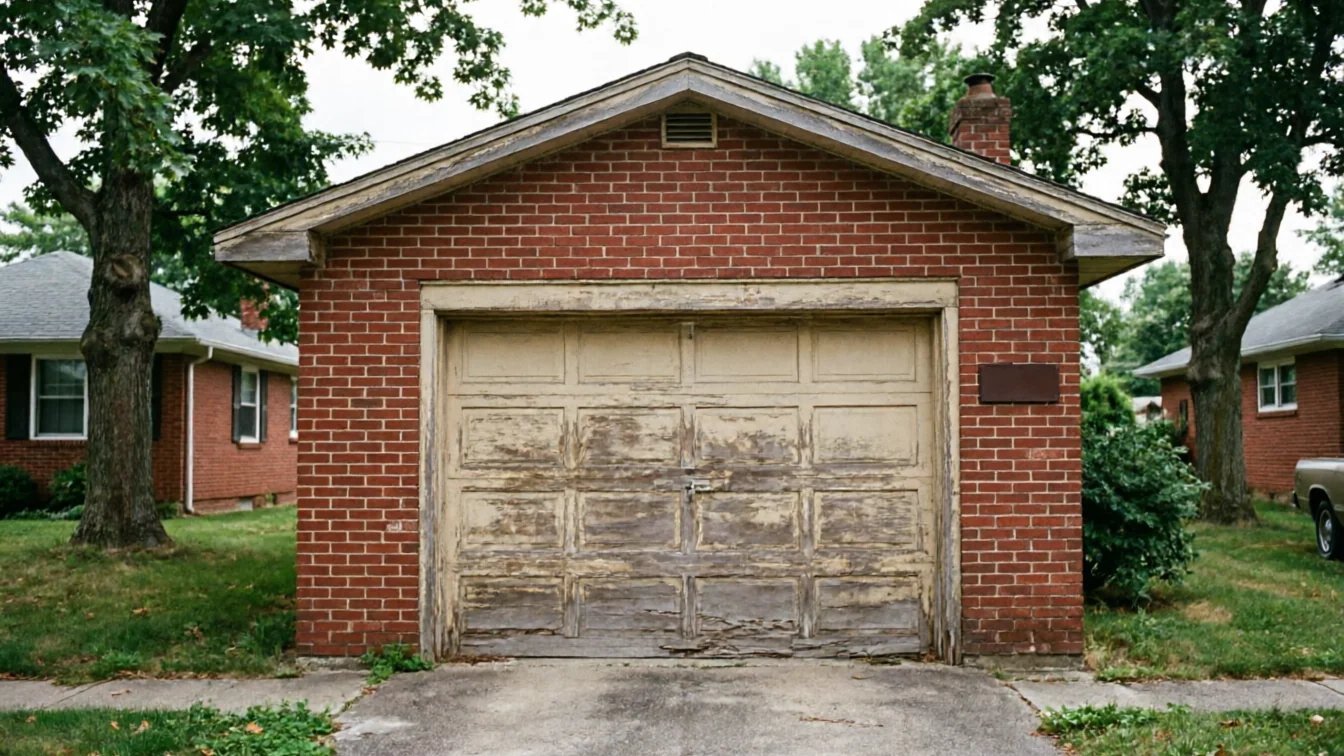
Ham Lake sits in a cold climate band with severe winter swings, and that matters more for an older door than almost anything else. A torsion spring loses tension faster when it's cycling through hard freezes and spring thaws year after year. Steel panels built before better insulation standards flex more in deep cold, and that flex works loose fasteners, bends track brackets, and cracks old weatherstripping that was never rated for what this area actually delivers in January. If your door is from the 1980s or 90s, the spring and hardware have already absorbed three or four decades of that cycle. A door that's still square, still tracking straight, and only needs a spring or a cable is worth fixing regardless of age. A door with a warped panel or a frame that's pulled away from the jamb has usually lost that fight to the cold, and patching it just buys another bad winter.
When It Stops Being a DIY Job
A chain-drive opener swap or a roller replacement on a door from this era is reasonable weekend work if you've got the right clamps and you're not touching the spring. The spring is where it stops being DIY. Torsion springs on a door built around the median year here, 1984, are wound tighter than people expect, and the bar, cones, and winding cones on a door that old are often undersized by today's standard, which means the tools and bars that fit a new door don't always fit the old hardware correctly. If the opener is original to the house, the logic board and safety reversal sensors are also past the point where a generic replacement part drops in clean. Past that, you're also dealing with lift cables and drums that have had thirty-plus years of a cold-climate duty cycle on them, and a cable under tension that lets go is not a mistake you get to make twice.
The Situation
Across the 31 named areas this shop covers, the housing stock leans heavily toward that 1980s-90s build window, so a Ham Lake door from that era isn't unusual - it's the norm, which is good news for parts. Torsion springs, standard rollers, and common opener logic boards for doors from that window are still stocked, not special-order. Where it gets harder is anything built closer to 1960: original one-piece doors, odd-gauge track, and hardware sized for specs nobody standardized later. On those, a repair sometimes costs most of what a new door would, just to keep an assembly that was never built efficient to begin with. We'll tell you straight when that's the math, because a repair that costs 70% of a replacement and still leaves you with a 1960s door isn't a good use of your money.
What to Look At First
Start with the panels. Surface rust or a small dent is cosmetic and doesn't change whether the door is worth fixing. A panel that's bowed, or seams that have separated from decades of expansion and contraction in this climate, usually means the structure is compromised, not just the finish. Next, check the spring and cables for visible wear - frayed strands, gaps in the coil, or rust pitting on a spring are signs it's near the end, and on a door built around the median 1984 year here, that spring has likely had one replacement already. Last, run the opener manually with the door disconnected: if it moves smoothly by hand, your opener problem is probably electrical or in the sensors, which is a straightforward fix. If the door binds or drags by hand, the track or rollers are the real issue, and no opener repair fixes that underneath it.
Frequently asked questions
My garage door is from the 1980s. Is it too old to repair?
Not on its own. A door built around 1984, which is the median build year for homes in this area, is usually still serviceable if the panels are square and the track is straight. Age alone isn't the deciding factor - spring wear, cable condition, and whether the frame has shifted matter more than the year on the door.
Why does my old door act up more in winter?
Ham Lake sits in a cold climate band with severe swings, and an older spring and track were built with less tolerance for that. Metal contracts, weatherstripping cracks, and lubricant that's thinned out over the years stiffens up right when the door needs to move the most. It's a maintenance issue more than a defect, but it shows up hardest on older hardware.
Should I just replace the whole door instead of fixing it?
If it's a spring, cable, or roller problem on a door that's otherwise square and tracking straight, fixing it is the right call. If the panels are warped or the frame has pulled away from the house, which happens more on the oldest stock in this area, replacement usually makes more sense than another repair.
Related garage door services in Ham Lake
More garage door guides
Book garage door service in Ham Lake
Call now or request a quote - tell us what the door is doing and where you are.